
Visa (ETA)
Most nationalities need an Electronic Travel Authorisation, applied for online before travel. It takes minutes; we send you the link with your confirmation.
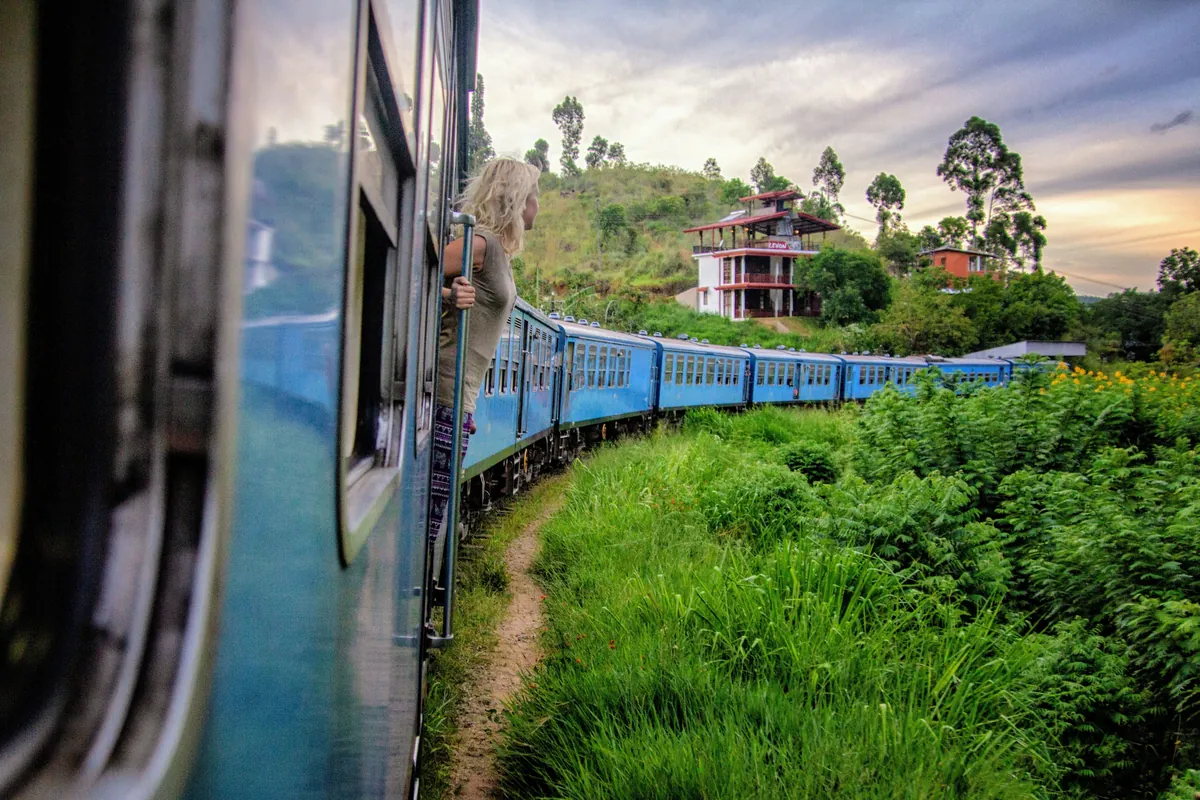
Visas, money, weather, etiquette and packing — the practical answers we give every guest before they fly.
Most nationalities need an Electronic Travel Authorisation, applied for online before travel. It takes minutes; we send you the link with your confirmation.
Two monsoons mean there is always a dry coast: west and south from December to April, east from May to September. The Cultural Triangle and hills are good year-round.
The Sri Lankan rupee (LKR). Cards work in hotels and larger shops; carry cash for markets, tuk-tuks and temple donations. ATMs are everywhere in towns.
Shoulders and knees covered, shoes and hats off. A sarong or light scarf in your day bag solves everything. Never pose with your back to a Buddha statue.
Your private vehicle and driver-guide do the hard work. Add the scenic train for the hill country and a tuk-tuk ride in town for fun.
No vaccinations are mandatory; bring mosquito repellent and sunscreen. Tap water isn't for drinking — we keep the vehicle stocked with bottled water.
Appreciated, not obligatory. A guideline: USD 10–15 per day for your chauffeur-guide, small change for porters and restaurant staff where no service charge is added.
Light cottons, a warm layer for the hills (it drops to 10 °C in Nuwara Eliya), walking shoes for Sigiriya, swimwear, a universal adapter (Type D/G, 230 V).
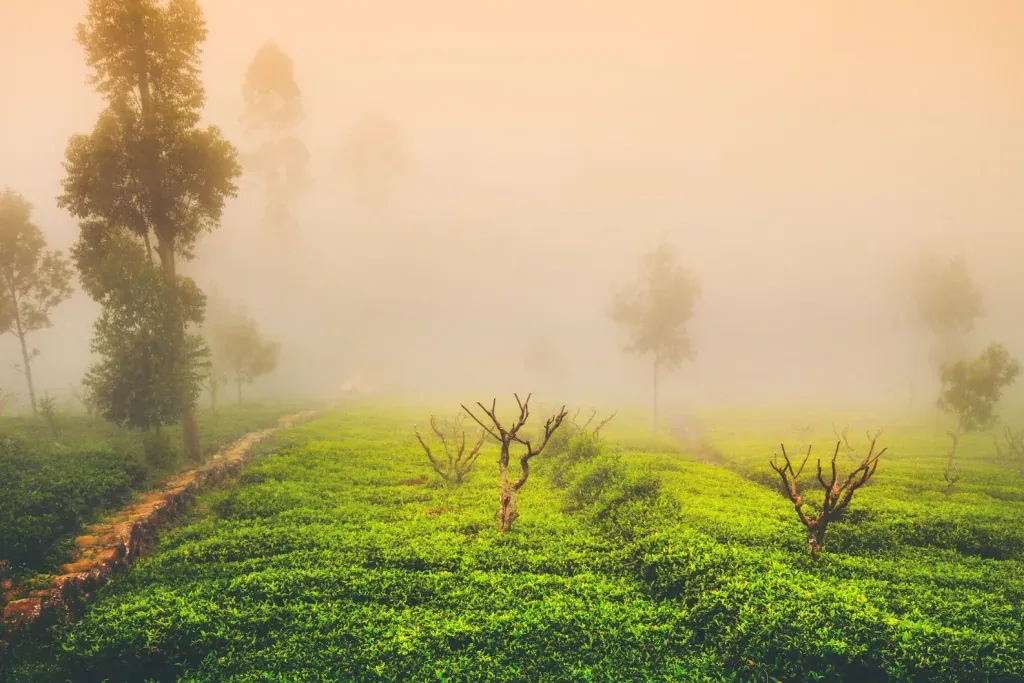
Sri Lanka has two monsoons. The south-west monsoon (May–September) brings rain to the west and south coasts and the hills, while the east is dry and sunny. The north-east monsoon (October–January) reverses it.
The Cultural Triangle is good all year, and the hill country is at its freshest in January–April. Tell us your dates and we'll route you to the sunshine.
Let us create a tailor-made Sri Lanka experience, just for you.